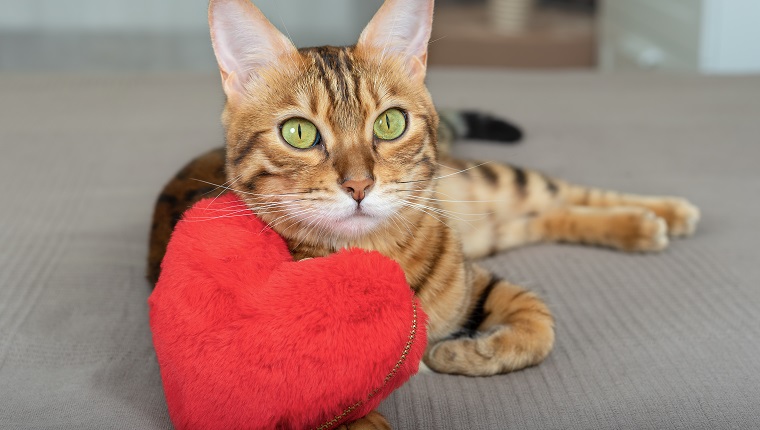
Taking steps to keep your cat’s heath healthy is a key part of looking after any feline’s wellbeing and welfare.
While some cat breeds might be more predisposed to developing unfortunate heart conditions and issues, there are a number of pretty straightforward measures and lifestyle tweaks that any cat parent can easily add to their usual routine.
In short, these sort of preventative measures are essential when it comes to maintaining tip-top feline heart health. Here are five things you can do to keep your cat’s heart healthy.
Keep Up With Your Cat’s Regular Checkups
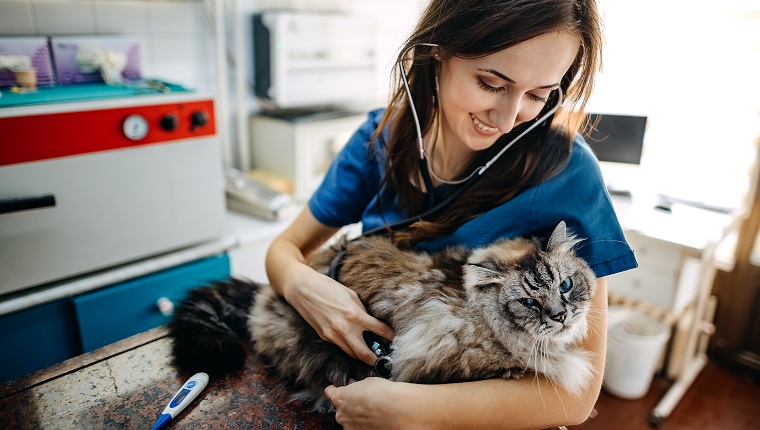
Yearly wellness visits to a vet are a must for any cat, and this is especially so when it comes to detecting any heart issues early.
Simple medical measures like checking how your cat’s heartbeat sounds with a stethoscope can often act as an early warning indicator of a deeper issue.
Many cat parents forgo vet visits because cats are fairly self-sufficient, and they’re good at hiding when something is medically wrong. But don’t assume that your cat doesn’t need a checkup. Catch problems before they become big problems!
Maintain Their Healthy Diet
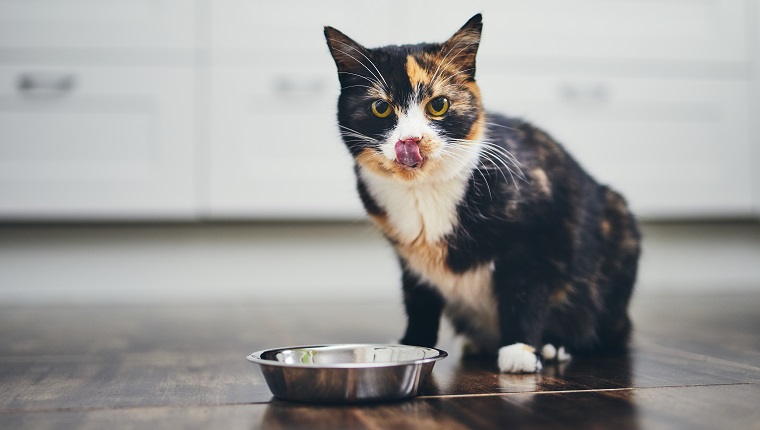
It’s easy to overfeed hungry rescue kitties, but feline obesity can bring with it a host of heart issues.
Make sure that you stick to a healthy and well-balanced diet that is high in protein and low in sodium.
In some cases, taurine supplements might also help to improve your cat’s heart health; although, always consult with your vet before adding any supplements to your kitty’s diet.
Get Your Cat Some Exercise!
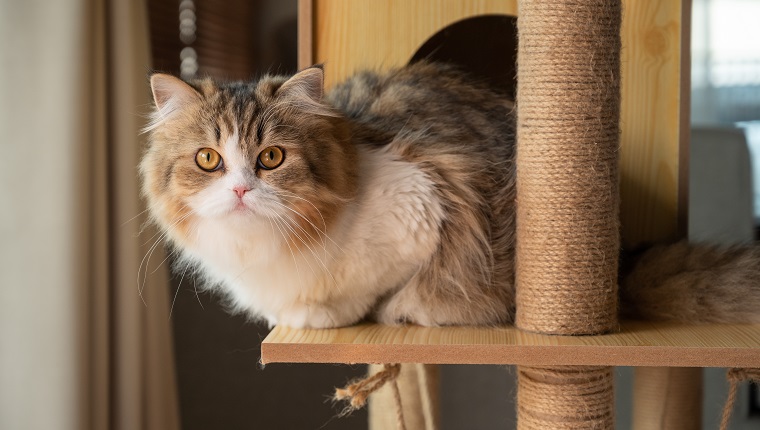
While it can be hard to tempt cats to exercise, especially in their later years, it’s important for heart health that they stay active.
Try freshening up the toy stash or adding a cat tree to your abode to help your feline get in their daily steps. Feather toys and laser pointers can keep kitty moving, and perches and cat trees encourage jumping and climbing.
You may even try breaking up your cat’s regular food and placing it in a few different areas so they have to move around a bit more.
Stay Breed Aware
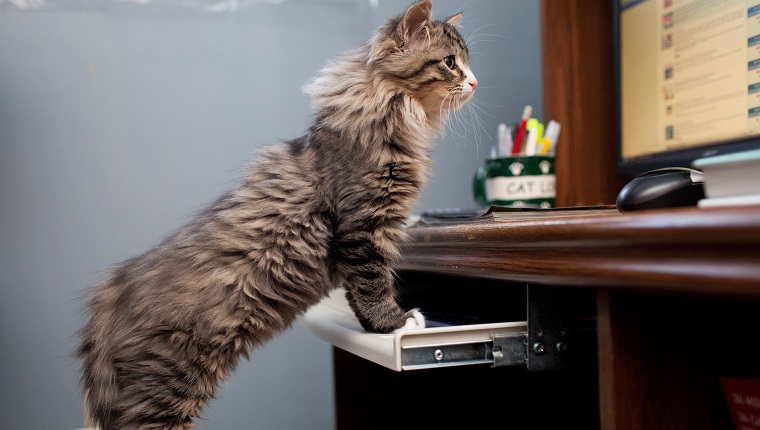
Unfortunately, certain breeds of cat are simply more likely to develop heart issues than other felines.
Some of the cat breeds most likely to experience heart problems include Persians, American Shorthairs, Ragdolls, and Maine Coons.
So do a little research into the medical history of your cat’s breed, and stay aware of any potential heart issues that might crop up.
Consider A Special Blood Test
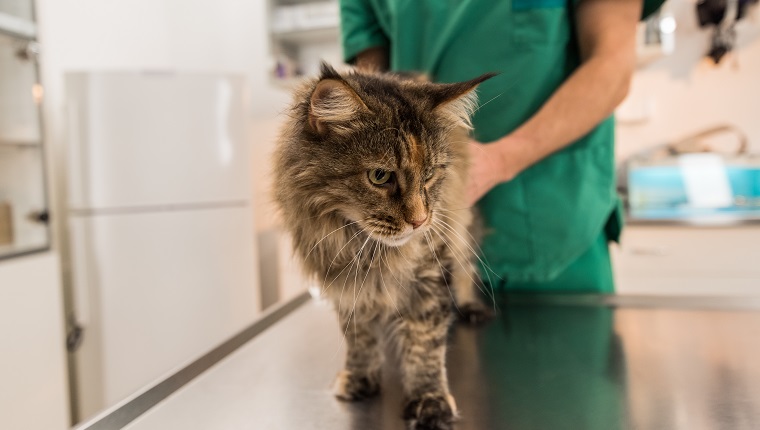
Due to advances in feline medical science, there’s now a blood test called a proBNP test that can help to identify any potential heart issues.
The test is able to detect the presence of certain protein hormones in the body, which can in turn suggest that a cat’s heart is being overworked.
Talk to your vet about this test to see if it’s right for your cat. Your vet can help guide you on all of your cat’s health issues.
What steps do you take to improve your cat’s heart health? Do you have any tips for other pet parents that we didn’t cover? Tell us all about it in the comments below!