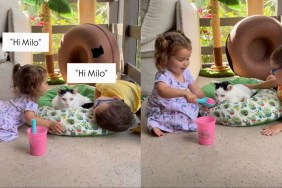
Cats and kittens can be delightful additions to a family, and between nine and twelve years of age, children start to become more responsible, making this an ideal time to get a cat.
Whether they’re an active kitten or a calm, mature adult, cats can be great companions to children. However, it’s important to teach children how to behave around a new cat or kitten.
Here are a few things to keep in mind that will help your cats and kids stay safe around one another and build lifelong bonds of love and understanding!
Cats Need Love & Care
Many people believe that cats are independent and don’t require a time commitment. That’s not necessarily true. A neglected cat will get into a lot of mischief and will be difficult to handle as they get older.
So before you agree to get a kitten or cat from your local shelter, consider the amount of time you will spend brushing, playing, socializing, and training your new cat.
Talk to your children and explain that you want them to take part in caring for the cat. Purchase a book about cat care that you and your family can read together.
You can even create a list of chores for each member of the family. This list could include playtime, feeding, and brushing.
In the future, this will also help teach your kids about responsibility and compassion in addition to teaching your cat that they can trust all of their human family members, even the young ones.
Cats are more mobile than dogs and can quickly jump out of harm’s way — but not all the time. A mishandled cat will scratch or bite if they feel threatened.
So, it’s essential to also teach your child how to be gentle and caring around your new cat. As the adult, you need to supervise when your kids and cat are together.
Take A Look Around Your Local Shelter
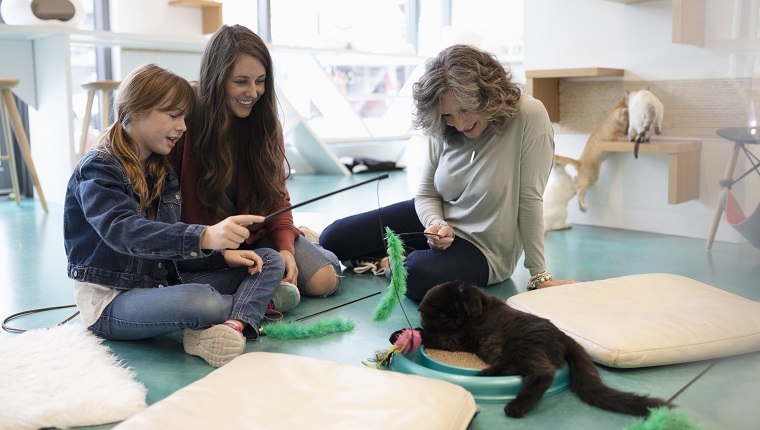
Once you’re ready to bring a cat into your home, contact your local shelter, and ask about the cats in their care. They can recommend family-friendly pets, as well as cats that will get along with dogs.
Schedule an appointment, and bring everyone in your household. This way you can see how everyone reacts to the cat and how the cat reacts to your family members.
Health Concerns
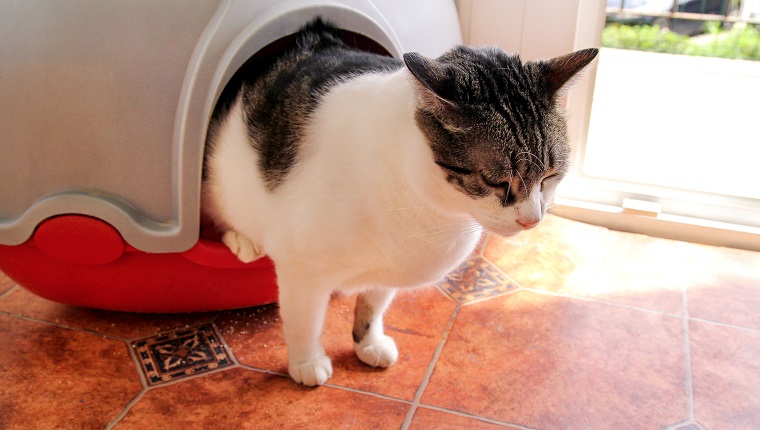
Many people are overly concerned about Toxoplasmosis, a parasite found in animal feces that can be transmitted to people if they touch the contaminated waste in a litter box. It’s quite rare, but the cleaning of the litter box may be best left to adults.
Purchase a covered litter box, and keep it clean — cats don’t like using dirty litter boxes — and make sure your kids know this is not a play area.
Keep your cat properly vaccinated against rabies. And make sure your cat is spayed or neutered. A spayed/neutered cat is a calmer one.
Introducing A Newborn To Your Cat
If you have a family cat and are going to bring a newborn into your house, give your cat clues that there will be a new addition to the household.
Prior to bringing a baby home, put baby powder on your arms so your cat can get used to the smell. Set up a cat-free zone in the baby’s room, and make sure the door closes completely. Baby screens don’t work because cats can easily jump over them.
When you bring the newborn home, have one parent enter the house with your newborn’s baby blanket. Let the cat sniff it. Spend a few minutes with the cat praising them for being wonderful.
About 15 minutes later, have the other parent or another adult walk in with the newborn. Give the baby to your partner, get down on the floor, and give your kitty a lot of attention. Then sit on the sofa with your baby on your lap. Invite the cat to come over to sniff the newborn, and praise them for being such a good cat.
In time, baby and cat will get along. Be watchful. Don’t leave your cat and kid alone together until your child is old enough to properly care for your cat.
What other tips do you have to help cats and kids get along safely? Have you introduced a new cat to your kids before? Let us know in the comments below!